In the world of floral design, color is not just a visual aspect but a powerful tool that can evoke emotions, set moods, and convey messages without saying a word. Understanding the principles of color psychology allows floral designers to create arrangements that resonate deeply with their audience, whether it’s for a special occasion, a corporate event, or simply to brighten someone’s day. Join us as we explore the fascinating interplay between color and emotions in floral design and learn how to harness the transformative power of hues to captivate the senses and uplift the spirit.
The Language of Color
Color has a profound impact on human perception and behavior, influencing everything from our mood and emotions to our physiological responses. Each color carries its own symbolic meaning and associations, rooted in cultural context, personal experiences, and evolutionary instincts. By tapping into the language of color, floral designers can craft arrangements that speak directly to the heart and soul of their audience.
Red
As the color of passion and romance, red is synonymous with love, desire, and vitality. Incorporating red flowers such as roses, tulips, or gerbera daisies can ignite feelings of excitement, warmth, and affection, making them perfect for expressing love and devotion on special occasions like weddings, anniversaries, or Valentine’s Day.
Yellow
Symbolizing joy, happiness, and optimism, yellow is like a ray of sunshine that brightens any space and lifts the spirits. Sunflowers, daffodils, and marigolds are popular choices for yellow floral arrangements, evoking feelings of cheerfulness, positivity, and hope. Yellow flowers are ideal for celebrating milestones, expressing gratitude, or spreading smiles on gloomy days.
Blue
Calm, serene, and tranquil, blue has a soothing effect on the mind and body, reminiscent of clear skies and peaceful waters. Delphiniums, hydrangeas, and irises are classic examples of blue flowers that evoke a sense of serenity, relaxation, and introspection. Blue floral arrangements are perfect for creating tranquil environments, promoting relaxation, and fostering mental clarity.
Green
Associated with nature, growth, and renewal, green symbolizes freshness, vitality, and harmony. Incorporating lush greenery such as ferns, eucalyptus, or ivy into floral designs adds texture, depth, and a sense of organic beauty. Green flowers like hydrangeas or chrysanthemums further enhance the feeling of balance, rejuvenation, and connection to the natural world.
Creating Emotional Impact
Incorporating a diverse range of colors into floral arrangements allows designers to evoke complex emotions, tell compelling stories, and create multi-dimensional experiences for their audience. Here are some tips for using color effectively in floral design:
Consider the occasion
Tailor your color palette to suit the mood and purpose of the event or occasion. Whether it’s a joyful celebration, a solemn ceremony, or a corporate gathering, choose colors that resonate with the theme and evoke the desired emotions.
Play with contrast
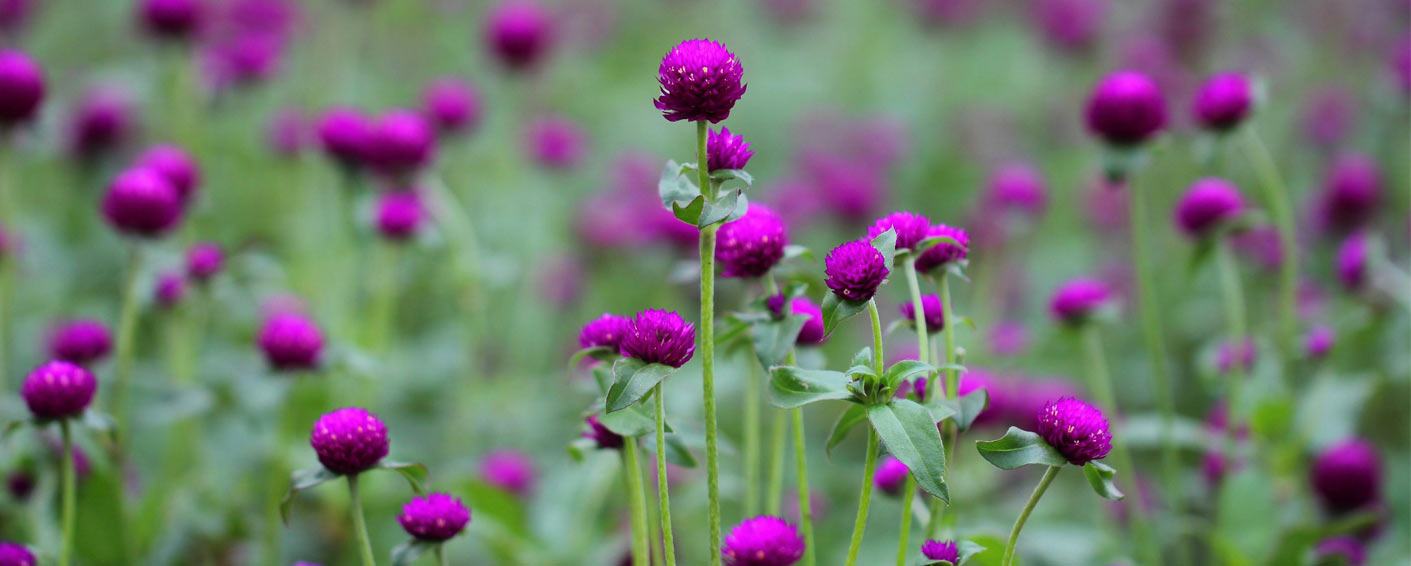
Experiment with contrasting colors to create visual interest and dynamic energy in your arrangements. Pairing complementary colors like red and green or yellow and purple creates a vibrant interplay that stimulates the senses and captures attention.
Focus on balance
Strike a harmonious balance between different colors, textures, and shapes to create cohesive and visually pleasing compositions. Pay attention to the proportions and placement of each element to ensure a sense of unity and flow throughout the arrangement.
Trust your intuition
While color psychology provides valuable insights, don’t be afraid to trust your intuition and personal instincts when designing floral arrangements. Let your creativity and intuition guide you as you select colors and create arrangements that resonate authentically with your own artistic vision.
Color is a universal language that speaks to the heart and soul, transcending barriers of language, culture, and geography. In the art of floral design, mastering the principles of color psychology empowers designers to create meaningful, impactful, and unforgettable experiences that touch the lives of others in profound ways. By harnessing the emotional power of color, floral designers can transform ordinary moments into extraordinary memories, leaving a lasting impression that lingers long after the flowers have faded.


 Elevating Events with Unique Floral Designs