
Embracing the Beauty of Wildflowers in Your Floral Arrangements
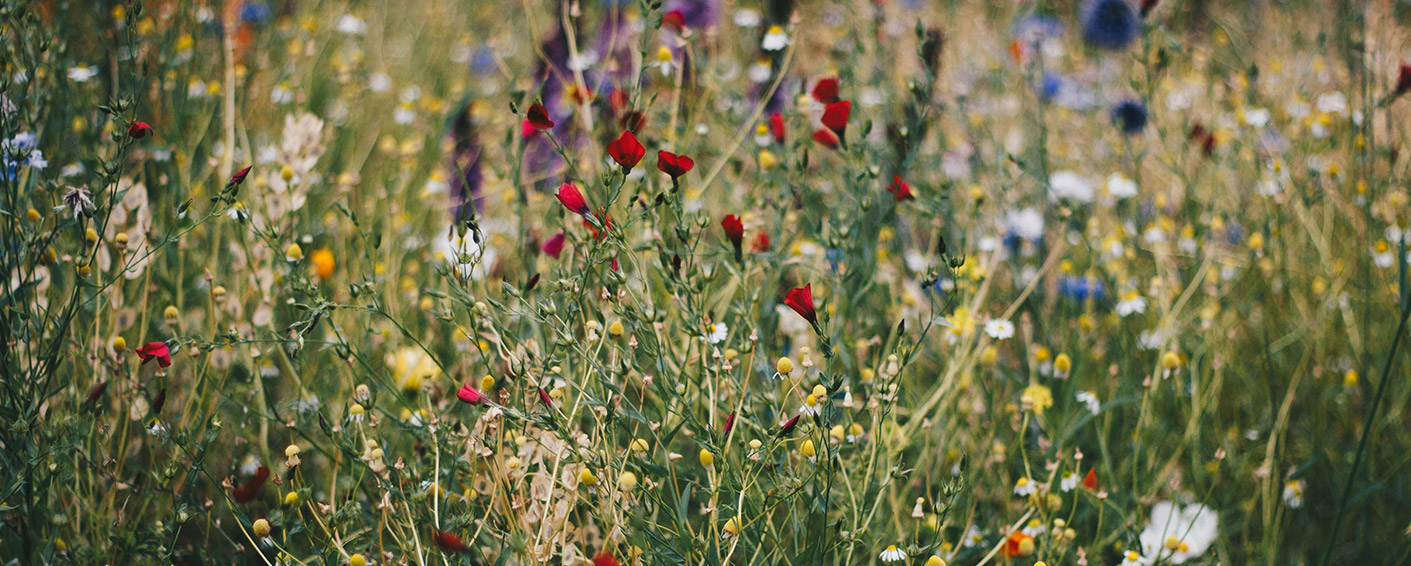
There’s something inherently charming about wildflowers. They evoke a sense of natural beauty and untamed elegance that cultivated flowers often lack. Incorporating wildflowers into your floral arrangements can bring a touch of spontaneity and rustic charm to your home or event decor. In this blog, we’ll explore the art of using wildflowers in your arrangements, including tips on foraging, designing, and maintaining these beautiful blooms.
Foraging for Wildflowers
The first step in creating stunning wildflower arrangements is finding the right flowers. Foraging for wildflowers can be a delightful and rewarding experience, offering a chance to connect with nature while gathering your materials. When foraging, it’s important to be mindful of the environment. Always ensure that you have permission to collect flowers from the area, and avoid over-harvesting, which can harm local ecosystems.
Look for wildflowers in meadows, along roadsides, or in forest clearings. Some common wildflowers to consider include daisies, Queen Anne’s lace, black-eyed Susans, yarrow, and wild asters. Each of these flowers brings its unique texture and color to an arrangement, making them ideal for creating a dynamic and visually appealing display.
Designing with Wildflowers
Designing with wildflowers requires a different approach than using traditional, cultivated blooms. Wildflowers have a natural, unstructured appearance that lends itself to more casual and whimsical arrangements. Here are a few tips to help you design with wildflowers:
Embrace the Wild: Allow the flowers’ natural shapes and growth patterns to guide your arrangement. Instead of forcing them into rigid forms, let them bend and flow naturally. This approach creates a more authentic and relaxed look.
Mix and Match: Wildflowers often come in a variety of shapes, sizes, and colors. Don’t be afraid to mix different types of flowers together. Combining delicate blooms with sturdier, more substantial flowers can add depth and interest to your arrangement.
Add Greenery: Incorporate greenery and foliage to enhance the wildflower look. Ferns, grasses, and leaves add texture and fullness, making your arrangement feel lush and vibrant.
Choose the Right Vessel: The container you use can significantly impact the overall feel of your arrangement. Consider using rustic or vintage vessels like mason jars, tin cans, or ceramic pitchers. These containers complement the informal, natural beauty of wildflowers.
Tips for Maintaining Wildflower Arrangements
Wildflowers can be more delicate than their cultivated counterparts, so it’s essential to take proper care to ensure they last as long as possible. Here are some maintenance tips to keep your wildflower arrangements fresh and beautiful:
Harvest with Care: When foraging, use sharp scissors or pruning shears to cut the flowers cleanly. Avoid crushing the stems, as this can hinder their ability to absorb water.
Condition the Flowers: After harvesting, immediately place the wildflowers in a bucket of water. Once home, trim the stems at an angle under running water and remove any foliage that will be below the waterline in your vase. This helps prevent bacterial growth and keeps the water clean.
Change the Water Regularly: Wildflowers can be particularly sensitive to stagnant water. Change the water in your vase every day and re-trim the stems to encourage better water uptake.
Avoid Direct Sunlight and Heat: Place your wildflower arrangement in a cool, shaded area away from direct sunlight and heat sources. This will help prolong the freshness of the blooms.
Use Flower Food: If available, add flower food to the water to provide essential nutrients that help the flowers stay vibrant longer. You can also make a homemade solution using sugar, vinegar, and a few drops of bleach.
Celebrating the Charm of Wildflowers
Using wildflowers in your floral arrangements is a wonderful way to celebrate the beauty of nature and bring a touch of the outdoors into your home. Their effortless elegance and natural charm make them perfect for creating unique and memorable displays. Whether you’re decorating for a special event or simply brightening up your living space, wildflowers offer endless possibilities for creativity and expression.
By foraging responsibly, embracing the wildflowers’ natural beauty, and taking steps to maintain your arrangements, you can enjoy the timeless allure of these enchanting blooms. So, next time you’re out in nature, take a moment to appreciate the wildflowers around you—and consider bringing a few home to create your own wildflower masterpiece.

