Edible flowers have been used in culinary traditions for centuries, adding color, flavor, and a touch of elegance to dishes. Their delicate beauty and unique taste can elevate ordinary recipes into extraordinary creations. This blog delves into the world of edible flowers, exploring common varieties, ways to incorporate them into your cooking, and essential safety tips to ensure a delightful and safe culinary experience.
Common Edible Flowers and Culinary Uses
One of the most well-known edible flowers is the nasturtium, cherished for its vibrant colors and peppery flavor. Nasturtiums are perfect for adding a spicy kick to salads, sandwiches, and garnishes. Another popular choice is the pansy, which comes in a range of colors and has a mild, slightly sweet taste. Pansies can be candied for desserts, used to decorate cakes, or tossed into salads for a splash of color.
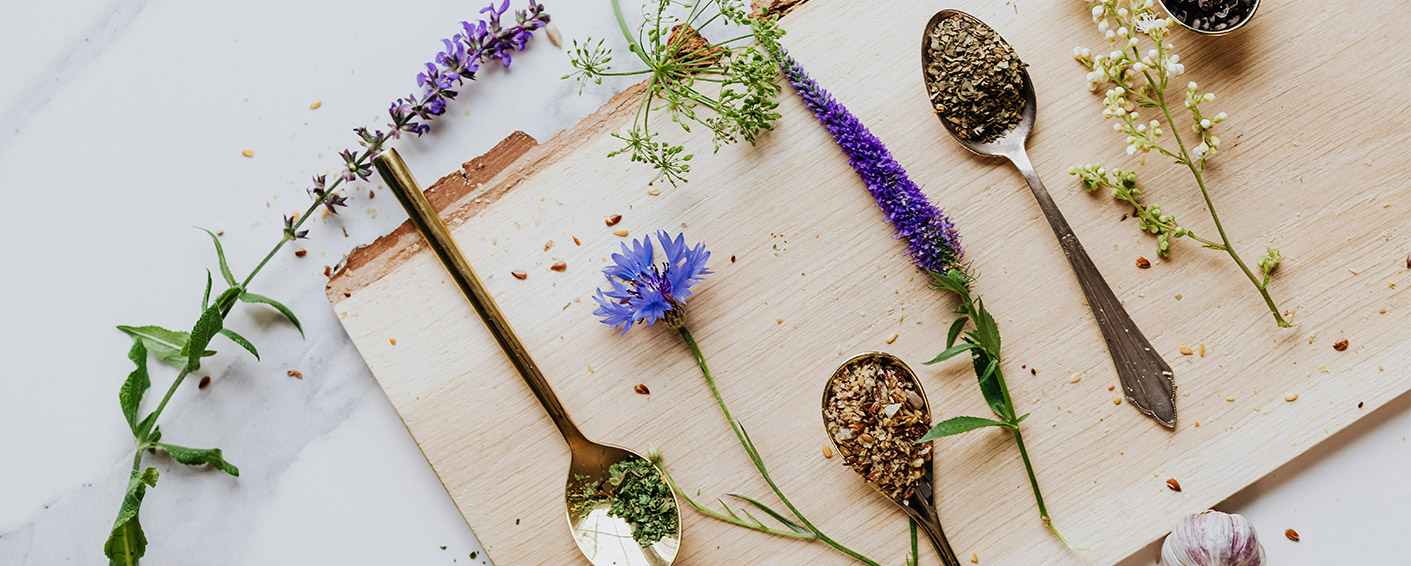
Lavender is another versatile edible flower, known for its sweet, floral flavor with hints of citrus. It pairs beautifully with both sweet and savory dishes. Try adding lavender to baked goods, like cookies and cakes, or use it to infuse syrups and honeys. For a savory option, lavender can be incorporated into spice rubs for meats or used to flavor sauces.
Roses, with their unmistakable fragrance, also make for delightful culinary additions. Rose petals can be used to make rose water, a common ingredient in Middle Eastern cuisine, or added to jams and jellies. Crystallized rose petals make stunning decorations for desserts, and fresh petals can be used in salads and beverages.
Another flower to consider is the calendula, sometimes referred to as “poor man’s saffron.” Calendula petals have a slightly peppery, tangy flavor and can be used to add color and flavor to soups, stews, and rice dishes. The petals can also be sprinkled over salads or mixed into butter for a unique spread.
Recipes Featuring Edible Flowers
Creating dishes with edible flowers can be as simple or as elaborate as you like. For a refreshing and visually appealing starter, try a Nasturtium Salad. Combine fresh greens, radishes, and cucumbers with a handful of nasturtium flowers and leaves. Drizzle with a light vinaigrette and enjoy the vibrant colors and flavors.
For a sweet treat, Lavender Shortbread Cookies are a wonderful option. To make these, incorporate finely chopped lavender buds into your favorite shortbread recipe. The result is a delicate, fragrant cookie perfect for afternoon tea.
If you’re looking to impress with a unique dessert, consider Rose Petal Jam Tarts. Use a simple tart crust, fill it with homemade rose petal jam, and top with a dollop of whipped cream. The floral notes of the jam paired with the buttery crust make for an unforgettable dessert.
Safety Tips for Consuming Edible Flowers
While incorporating edible flowers into your cooking can be delightful, it is essential to follow some safety guidelines. First and foremost, ensure that the flowers you use are indeed edible. Not all flowers are safe to eat, and some can be toxic. Always consult a reliable source to verify the edibility of a flower.
It’s also crucial to use flowers that have not been treated with pesticides or other chemicals. If possible, grow your own flowers or source them from reputable organic growers. Avoid picking flowers from roadsides or public parks where they may have been exposed to pollutants.
When preparing edible flowers, wash them thoroughly to remove any dirt or insects. Use only the petals, as some flowers may have bitter or inedible parts. Introduce edible flowers into your diet gradually, as some people may have allergies or sensitivities.
Incorporating edible flowers into your culinary repertoire can add a new dimension to your cooking, offering both visual appeal and unique flavors. With a variety of flowers to choose from and numerous ways to use them, the possibilities are endless. Just remember to follow safety guidelines to ensure a delightful and safe experience with edible flowers.


 Embracing the Beauty of Wildflowers in Your Floral Arrangements