
Crafting Floral Magic for Theatre and Stage
The stage is a canvas, and floral design can be a powerful brushstroke, adding depth, emotion, and visual spectacle to theatrical productions. More than just pretty decorations, floral arrangements for theatre and stage play a vital role in storytelling, setting the scene, and enhancing the overall audience experience. Let’s explore the art of crafting floral magic for the performing arts.
Beyond the Vase: The Power of Floral Design in Theatre
Floral design for theatre goes far beyond creating a simple bouquet. It’s about collaborating with directors, set designers, and costume designers to create cohesive and impactful visual elements that support the narrative and enhance the production’s atmosphere.
Key Considerations for Stage Florals:
-
Storytelling and Character Development:
- Flowers can symbolize themes, emotions, and character traits.
- A wilted bouquet can represent decay or despair, while vibrant blooms can signify joy or vitality.
- Consider how flowers can contribute to the character’s journey and the play’s overall message.
-
Setting the Scene and Establishing Atmosphere:
- Floral arrangements can help establish the time period, location, and mood of a scene.
- A rustic wildflower arrangement can evoke a rural setting, while opulent arrangements can convey wealth and sophistication.
- Consider the overall aesthetic of the set design and how flowers can complement it.
-
Scale and Visibility:
- Stage florals need to be visible from a distance.
- Consider the size of the stage and the audience’s vantage point.
- Larger arrangements, bold colors, and strong silhouettes are often necessary.
-
Durability and Practicality:
- Stage florals need to withstand the rigors of performance.
- Choose sturdy flowers and foliage that can hold up under stage lights and movement.
- Consider using artificial flowers or preserved elements for long runs or challenging conditions.
-
Safety and Allergies:
- Ensure that all floral materials are safe for actors and crew.
- Avoid using poisonous or allergenic flowers.
- Consider using scent-free flowers to minimize potential irritants.
-
Collaboration and Communication:
- Work closely with the director, set designer, and costume designer to ensure a cohesive visual aesthetic.
- Communicate your ideas and discuss any practical considerations.
- Be flexible and adaptable to changes in the production.
Floral Design Elements for Stage:
-
Set Pieces:
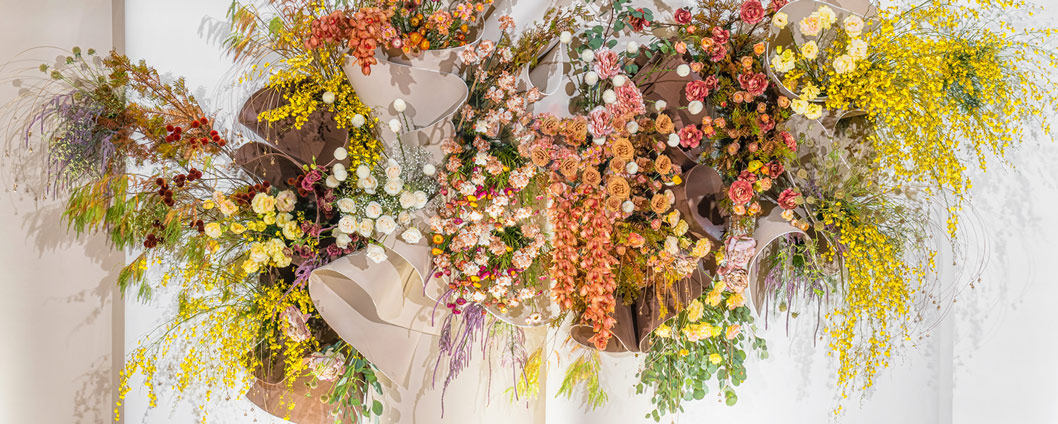
- Create large-scale floral installations to serve as backdrops or focal points.
- Incorporate floral elements into set pieces like arches, walls, or furniture.
-
Hand Props:
- Design bouquets, wreaths, or corsages for actors to use as props.
- Ensure that hand props are durable and easy to handle.
-
Costume Accents:
- Incorporate flowers into costumes as headpieces, corsages, or embellishments.
- Choose flowers that complement the costume’s style and color palette.
-
Ground Treatments:
- Use loose petals, moss, or foliage to create ground treatments that enhance the stage’s atmosphere.
-
Lighting Considerations:
- Understand how stage lighting will affect the colors and textures of your floral designs.
- Choose flowers that will maintain their vibrancy under stage lights.
- Use lighting to highlight specific floral elements and create dramatic effects.
Examples of Floral Design in Theatre:
- Shakespearean Plays: Use period-appropriate flowers and foliage to create authentic settings.
- Musicals: Incorporate vibrant and theatrical floral arrangements to enhance the musical’s energy.
- Modern Dramas: Use minimalist or abstract floral designs to convey contemporary themes.
- Fantasy Productions: Create otherworldly floral installations with unique colors and textures.
The Magic of Collaboration:
Floral design for theatre is a collaborative art form. By working closely with the entire creative team, you can contribute to a truly immersive and unforgettable theatrical experience. It’s about using the language of flowers to tell stories, evoke emotions, and bring the stage to life.

