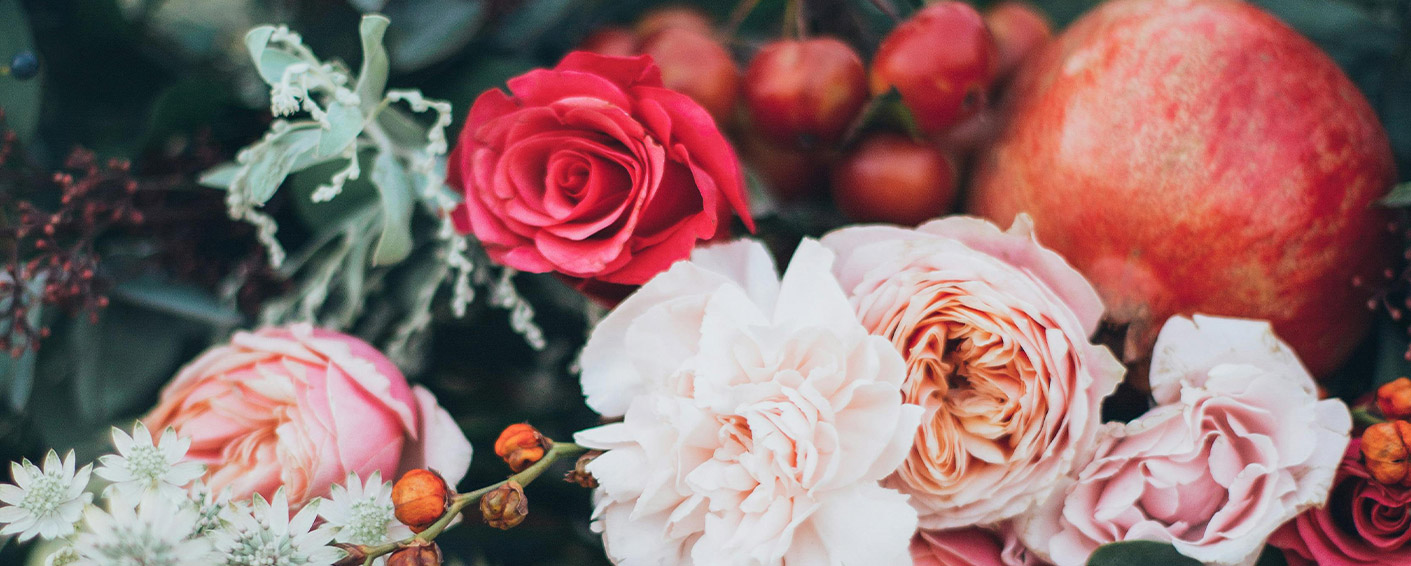
When it comes to floral design, innovation is key to standing out in a crowded market. One of the most delightful and unexpected ways to add a unique touch to your bouquets is by incorporating fruits and vegetables. Not only do they bring a burst of color and texture, but they also add an element of surprise and whimsy that your clients will love. Here’s how you can creatively integrate these edible elements into your floral arrangements.
Choose Your Produce Wisely
The first step in incorporating fruits and vegetables into your bouquets is selecting the right produce. Look for items that are visually appealing, sturdy, and complement the color palette of your flowers. Some popular choices include:
- Fruits: Apples, pears, berries, grapes, citrus fruits (lemons, oranges, limes), pomegranates, and figs.
- Vegetables: Artichokes, kale, radishes, Brussels sprouts, mini pumpkins, and cherry tomatoes.
Consider the seasonality of the produce as well. Seasonal fruits and vegetables not only enhance the natural beauty of your arrangement but also resonate with the time of year.
Play with Color and Texture
One of the main reasons to include fruits and vegetables in your floral designs is to introduce new colors and textures. For example, the deep, rich tones of pomegranates or the vibrant green of kale can contrast beautifully with soft, pastel blooms. Similarly, the glossy skin of apples or the rough texture of artichokes adds visual interest.
To create a harmonious balance, consider pairing complementary colors or using analogous shades. The key is to let the produce enhance the flowers without overpowering them.
Structural Support
When adding fruits and vegetables to your bouquet, it’s important to ensure they are securely attached. Use floral picks or skewers to anchor heavier items like apples or artichokes. Insert the skewer into the produce and then into the floral foam or hand-tied bouquet, making sure it’s stable. For smaller, more delicate items like berries or grapes, you can use floral wire to carefully wrap and secure them.
Theme Your Bouquets
Fruits and vegetables can help convey a specific theme or message with your bouquet. For instance:
- Harvest Theme: Incorporate small pumpkins, gourds, and wheat stalks with warm-toned flowers like sunflowers, marigolds, and chrysanthemums.
- Tropical Paradise: Use citrus fruits like lemons and limes paired with bold, tropical flowers like bird of paradise, hibiscus, and orchids.
- Rustic Charm: Combine apples, pears, and earthy vegetables like radishes with wildflowers, eucalyptus, and rustic burlap or twine.
Consider Longevity
While fruits and vegetables add a fresh and exciting element to your bouquets, they may not last as long as the flowers. To keep your arrangement looking its best, educate your clients on proper care. Suggest displaying the bouquet in a cool environment and remind them to remove any produce that starts to spoil.
Alternatively, you can use faux fruits and vegetables that mimic the real thing for a longer-lasting display. High-quality artificial produce can be just as visually striking and offers the added benefit of durability.
Incorporate Scent
Certain fruits and vegetables can enhance the scent of your bouquet. For example, the citrusy aroma of lemons or the sweet fragrance of ripe berries can complement the natural scent of flowers. Be mindful of the scent combinations to ensure they blend well rather than clash.
Experiment and Have Fun
The best part of working with fruits and vegetables in your floral designs is the creative freedom it offers. Don’t be afraid to experiment with different combinations and arrangements. Whether you’re creating a rustic fall centerpiece or a vibrant summer bouquet, the possibilities are endless.
Incorporating fruits and vegetables into your floral designs is a great way to add depth, texture, and an unexpected twist to your arrangements. By carefully selecting your produce and creatively combining it with flowers, you can create stunning, unique bouquets that will leave a lasting impression on your clients. So, the next time you’re crafting a bouquet, consider adding a little edible flair—you might just be surprised at how beautifully it all comes together!


 Using Herbs to Enhance Your Floral Designs