

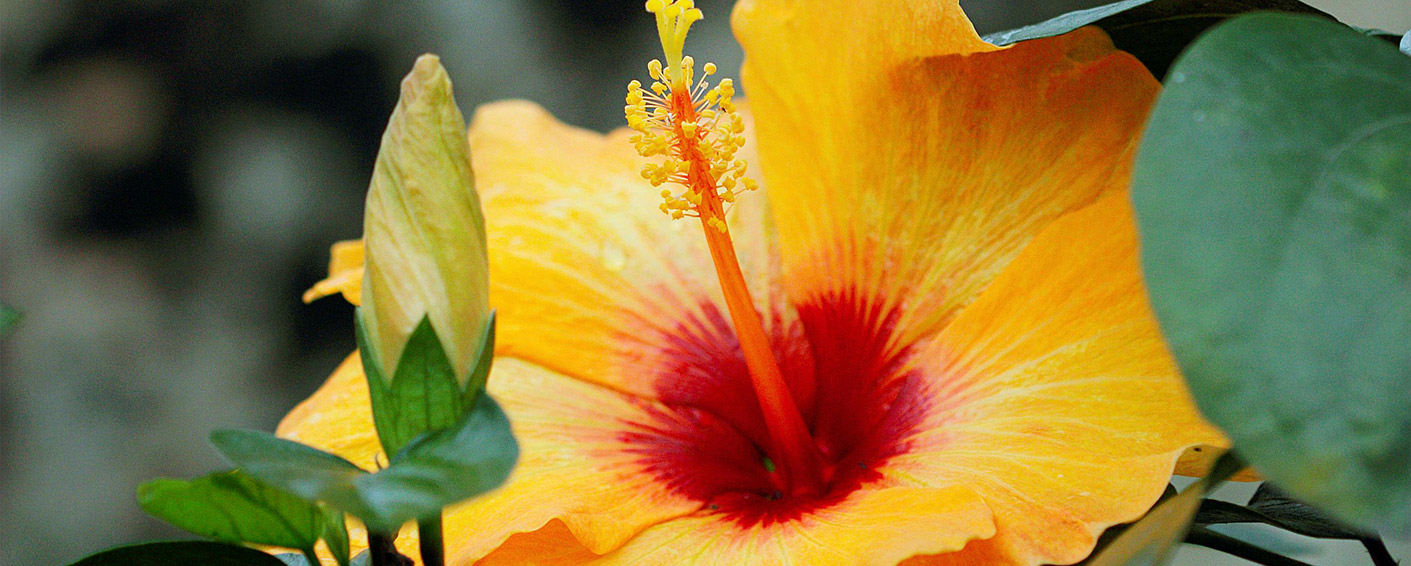
How to Use Tropical Flowers and Foliage in Your Designs
Tropical flowers are the epitome of vibrancy and boldness. With their striking colors, unique shapes, and lush foliage, they can instantly transport you to a tropical paradise, evoking feelings of warmth, relaxation, and adventure. Whether you’re designing for a summer event, a tropical-themed wedding, or simply want to bring a touch of the tropics into your space, incorporating exotic flowers and foliage into your arrangements can make a powerful statement. In this blog, we’ll explore some of the most popular tropical flowers and foliage, and offer tips on how to use them to create stunning, eye-catching designs.
The Allure of Tropical Flowers
Tropical flowers are known for their vivid colors and unusual shapes, making them stand out in any arrangement. Here’s why they’re a favorite among floral designers:
- Vibrancy: The intense, saturated colors of tropical flowers like orchids, anthuriums, and bird of paradise can bring life and energy to any arrangement.
- Unique Forms: Many tropical flowers have distinctive forms that add a dynamic, sculptural element to designs. Their shapes can create a sense of movement and intrigue.
- Longevity: Tropical flowers are generally long-lasting, making them an excellent choice for arrangements that need to endure for several days or more.
Popular Tropical Flowers to Use
Here are some of the most iconic tropical flowers and tips on how to incorporate them into your designs:
- Orchids: Known for their delicate yet exotic appearance, orchids come in a variety of colors and sizes. They work beautifully as the focal point in a bouquet or as accents in larger arrangements. Their elegant, cascading form adds a touch of luxury to any design.
- Anthuriums: With their glossy, heart-shaped spathes and bright colors, anthuriums are perfect for creating bold, modern arrangements. Use them as statement pieces or pair them with softer flowers to create contrast.
- Bird of Paradise: This flower’s striking resemblance to a bird in flight makes it a standout in any arrangement. Its bright orange and blue colors are ideal for adding a tropical flair. Bird of paradise works well in tall, dramatic arrangements that emphasize height and structure.
- Ginger Flowers: Ginger flowers, with their vibrant pinks and reds, add a lush, tropical vibe to arrangements. Their bold colors and unique shapes make them great for creating a focal point.
- Heliconias: Known for their bright, lobster-claw appearance, heliconias bring a dramatic, sculptural element to floral designs. They’re perfect for large, bold arrangements that need a touch of the exotic.
Tropical Foliage to Complement Your Designs
Tropical foliage is just as important as the flowers themselves when creating a cohesive design. Here are some popular choices:
- Monstera Leaves: The iconic split leaves of monstera plants are a must-have in tropical designs. Their large size and unique shape add texture and depth, making them ideal for both large installations and smaller arrangements.
- Palm Fronds: Palm fronds are synonymous with the tropics. Their long, arching leaves add movement and drama to arrangements. They can be used in their natural green form or spray-painted to match a specific color scheme.
- Ti Leaves: With their deep green or burgundy hues, ti leaves are perfect for adding color and texture to tropical arrangements. They can be wrapped around the base of a bouquet or used as a backdrop for brighter flowers.
- Bamboo: Bamboo adds a touch of the exotic and can be used in a variety of ways. Use bamboo stalks as a structural element in large arrangements or cut them into smaller pieces for a more subtle effect.
Designing with Tropical Flowers and Foliage
Creating a cohesive tropical arrangement involves more than just selecting the right flowers and foliage. Here are some design tips to help you achieve that perfect tropical vibe:
- Bold Colors: Embrace the bold, vibrant colors that tropical flowers offer. Don’t be afraid to mix bright oranges, pinks, yellows, and purples. The key is to balance the colors so that they complement rather than compete with each other.
- Contrasting Textures: Combine the smooth, glossy textures of anthuriums and ginger flowers with the rougher, more textured leaves of monstera or palm fronds. This contrast adds depth and visual interest to your design.
- Layering: Create depth by layering different flowers and foliage. Start with larger leaves and build up with smaller flowers and accents. This technique will give your arrangement a lush, full appearance.
- Asymmetry: Tropical arrangements often look best when they’re not overly symmetrical. Allow the natural forms of the flowers and foliage to guide the design, creating an organic, free-flowing look.
Inspiration for Tropical Arrangements
Here are some ideas to inspire your next tropical floral design:
- Tropical Centerpiece: Combine bird of paradise, heliconias, and palm fronds in a large, tall vase for a dramatic centerpiece that brings the tropics to any table.
- Beach Wedding Bouquet: Create a vibrant, tropical bouquet for a beach wedding using orchids, anthuriums, and ti leaves. Add a few seashells or pieces of driftwood for a coastal touch.
- Lush Greenery: For a more subdued yet still tropical look, create an arrangement using primarily foliage like monstera leaves, palm fronds, and bamboo. Add a few white orchids for a pop of color.
- Modern Tropical: Use a minimalist approach by focusing on one or two types of tropical flowers, such as anthuriums and monstera leaves, in a simple, sleek vase. This design highlights the beauty of the flowers and leaves without overwhelming the senses.
Caring for Tropical Flowers
Tropical flowers often have different care requirements than more common floral varieties. Here are some tips to keep them looking fresh:
- Temperature: Tropical flowers thrive in warmer temperatures. Avoid placing them in overly cold environments or near air conditioners.
- Humidity: These flowers also love humidity. If you’re in a dry climate, consider misting your tropical arrangements to keep them hydrated.
- Watering: Ensure that your tropical flowers have plenty of water. Use a vase with a large water reservoir and change the water regularly to keep it fresh.
Tropical flowers and foliage offer endless possibilities for creating vibrant, eye-catching arrangements. Their bold colors, unique shapes, and lush textures can transform any space into a tropical paradise. Whether you’re designing for a special event or simply want to bring a touch of the tropics into your home, incorporating these exotic elements will add a fresh, modern twist to your floral designs. So go ahead, embrace the tropical vibes, and let your creativity bloom!

