

The Art of Floral Design with Drought-Resistant Plants
In a world increasingly defined by climate change and environmental challenges, the art of floral design is evolving. Traditional lush, water-thirsty blooms are making way for drought-resistant plants, combining beauty and sustainability. As water conservation becomes a priority, integrating drought-resistant plants into floral designs not only supports the environment but also offers unique and stunning arrangements. Let’s explore how you can create breathtaking floral designs that are both eco-friendly and resilient.
Embracing Drought-Resistant Plants
Drought-resistant plants, also known as xerophytes, are adapted to survive in environments with little water. These plants have unique features such as thick leaves, deep root systems, and the ability to store water, making them ideal for regions facing water scarcity. Some popular drought-resistant plants include succulents, cacti, lavender, yarrow, and sedum. Incorporating these hardy plants into your floral designs can add texture, color, and an innovative touch.
Benefits of Using Drought-Resistant Plants in Floral Design
Water Conservation: One of the most significant benefits of using drought-resistant plants is water conservation. These plants require minimal watering, reducing the overall water usage in maintaining floral arrangements.
Low Maintenance: Drought-resistant plants are typically low-maintenance, making them perfect for those who love beautiful arrangements but have a busy lifestyle. They can thrive with little care and attention, maintaining their beauty for extended periods.
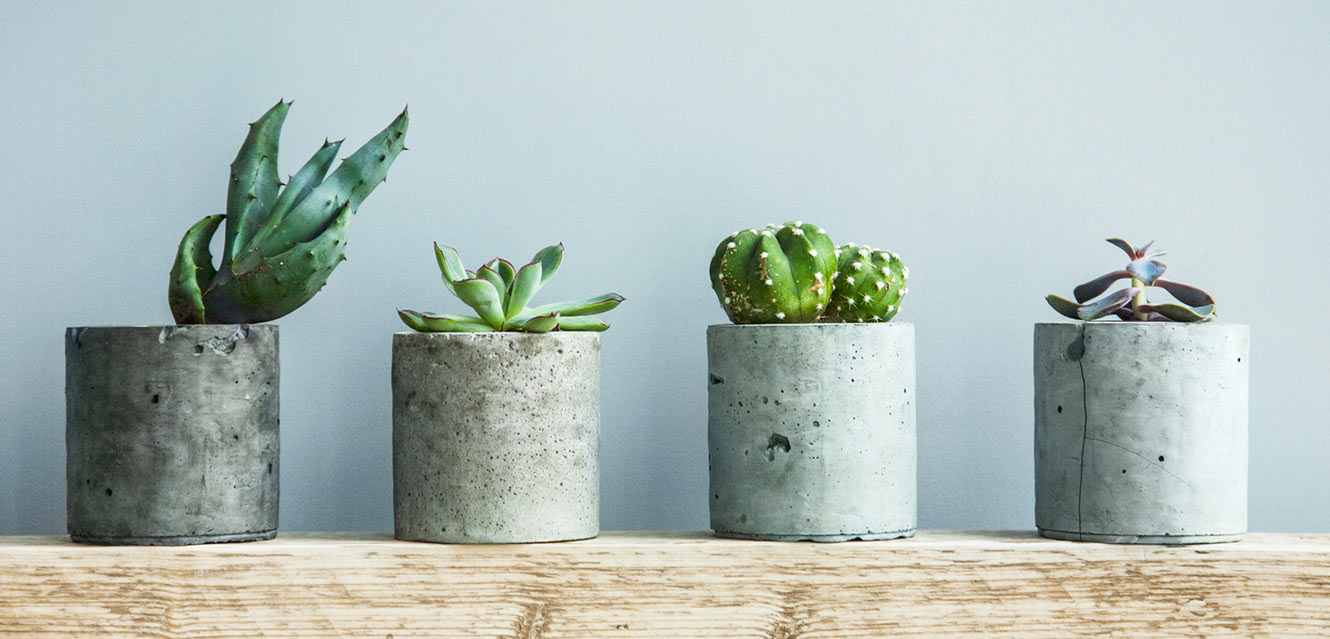
Unique Aesthetic: The unique textures and shapes of drought-resistant plants can add an intriguing element to floral designs. The variety of succulents and cacti, for instance, can create stunning and contemporary arrangements.
Longevity: These plants tend to have a longer lifespan compared to traditional flowers, allowing your designs to last longer without frequent replacements.
Creating Stunning Floral Designs with Drought-Resistant Plants
Start with a Theme: Consider the theme of your arrangement. Are you going for a modern, minimalist look or a rustic, natural feel? Drought-resistant plants can fit a wide range of aesthetics. Succulents and cacti are perfect for a contemporary design, while lavender and yarrow can add a touch of countryside charm.
Choose Complementary Colors: Drought-resistant plants come in a variety of colors, from the deep greens of succulents to the purples of lavender. Combine plants with complementary colors to create a harmonious and visually appealing arrangement.
Play with Textures: Mix different textures to add depth to your design. Pair the smooth, fleshy leaves of succulents with the spiky forms of cacti or the feathery foliage of yarrow. The contrast will make your arrangement more dynamic.
Use Unique Containers: Enhance the beauty of your drought-resistant floral design with unique containers. Think outside the box – use reclaimed wood, vintage pots, or sleek, modern vases to complement the plants.
Incorporate Natural Elements: Add natural elements like stones, driftwood, or sand to your arrangements. These additions not only enhance the visual appeal but also mimic the natural habitat of drought-resistant plants.
Caring for Your Drought-Resistant Floral Designs
Light: Most drought-resistant plants thrive in bright, indirect sunlight. Ensure your arrangements are placed in well-lit areas to keep the plants healthy.
Watering: Water sparingly. Overwatering is a common mistake. Allow the soil to dry out completely between watering sessions to prevent root rot.
Pruning: Regularly remove dead or wilting leaves to keep your arrangement looking fresh and tidy.
Incorporating drought-resistant plants into floral designs is a wonderful way to blend artistry with sustainability. These resilient plants not only conserve water but also offer a unique and enduring beauty that traditional blooms might not provide. As we adapt to the changing climate, embracing drought-resistant plants in floral design is not just a trend – it’s a thoughtful choice for the future.
So, the next time you’re planning a floral arrangement, consider the resilient beauty of drought-resistant plants. Not only will you create stunning designs, but you’ll also contribute to a more sustainable and eco-friendly world. Happy designing!

